

Protect Your Retirement Savings from Unexpected Hospital Costs
Life and Health Advisors
Hospital Stays Can Create Financial Stress. Hospital Indemnity Insurance Can Help.
Even with Medicare or a Medicare Advantage plan, a hospital stay can result in copays, deductibles, transportation expenses, and other unexpected costs.
Hospital Indemnity Insurance provides cash benefits paid directly to you when covered hospital events occur. You decide how to use the money, whether it's for medical bills, household expenses, travel costs, or everyday living expenses while you recover.

Kristen
⭐⭐⭐⭐⭐
Brian was very knowledgeable and helpful. We appreciate the time he gave us!
Happy Customers
More than 1000+ clients taken care of!
Comprehensive Insurance Solutions
Life and Health Advisors

Planning for the healthcare costs that come with aging can be challenging, but protecting your financial well-being during a hospital stay or recovery period doesn't have to be. Hospital Indemnity and Short Term Care insurance work together to provide peace of mind by helping you manage the out-of-pocket expenses, care costs, and coverage gaps that Medicare Advantage and Plan N leave behind. Whether you want to protect your savings from unexpected hospital copays, cover skilled nursing and home care costs after discharge, or simply ensure that a health event doesn't become a financial crisis, having the right supplemental coverage in place keeps you supported today and financially secure through whatever recovery tomorrow may bring.

About Us
Helping You Protect, Plan, and Manage All Your Insurance Needs
Brian Benedict
Agent/Owner
NPN: 1478750
About Us
Helping You Protect, Plan, and Manage All Your Insurance Needs
Brian Benedict
Agent/Owner
1478750
A Complete Overview of
Hospital Indemnity
At a Glance
What can Hospital Indemnity Do for You
Coverage May Help Pay For:
✔ Hospital admission expenses
✔ Inpatient hospital stays
✔ Observation stays
✔ Skilled nursing care costs
✔ Home recovery expenses
✔ Everyday household bills during recovery
Request Your Complimentary Coverage Review
Our team at Life and Health Advisors will review your current Medicare coverage and help determine whether Hospital Indemnity insurance is a good fit for your situation.
There is no cost or obligation.
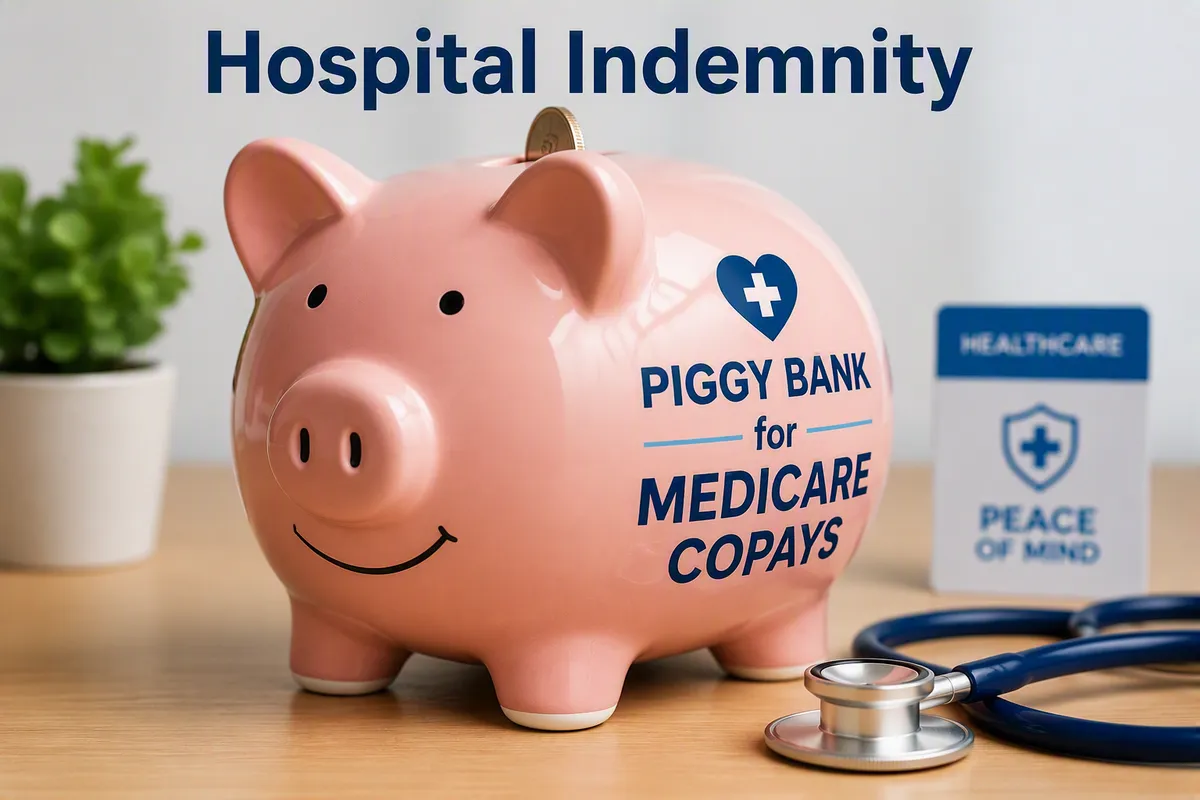
Hospital Indemnity is Like a Piggy Bank
Why Consider Hospital Indemnity Coverage?
Many Medicare beneficiaries are surprised to learn that their health plan may still leave them responsible for significant out-of-pocket costs after a hospital stay.
A Hospital Indemnity plan provides an additional layer of financial protection so you can focus on your recovery instead of worrying about unexpected expenses.
✔ Benefits Are Paid Directly To You
✔ Use benefits however you choose
✔ Coverage works alongside your Medicare coverage
✔ Benefits can help offset hospital copays and other healthcare expenses
✔ Coverage available for many Medicare beneficiaries ages 65-89
A Complete Overview of
Your Insurance Options
At a Glance
What is Hospital Indemnity
Hospital Indemnity insurance provides financial security by protecting you from the unexpected costs that come with a hospital stay. The right plan pays you a direct cash benefit when you're admitted — helping cover Medicare copays, daily cost-sharing, and out-of-pocket expenses your main plan leaves behind. With this coverage in place, you stay financially protected during a health event without dipping into savings or disrupting your budget. Explore your Hospital Indemnity options to find the plan that best complements your Medicare coverage and keeps your finances secure when it matters most.
What is Short Term Care Insurance
Short Term Care insurance provides financial security by protecting you from the recovery costs that follow a hospitalization or health event. The right plan helps cover skilled nursing facility stays, home health care, and assisted living expenses that Medicare only partially — or never — covers. With this coverage in place, your savings stay intact while you focus on recovering fully without the added stress of mounting care costs. Explore your Short Term Care options to find the plan that best fills your Medicare gaps and supports your independence during life's most vulnerable moments.
Reviews
Real-Life Testimonials
From Satisfied Clients
Kristen
Brian was very knowledgeable and helpful. We appreciate the time he gave us!
Shelly
Brian is personable, knowledgeable and makes Medicare planning understandable and a little less intimidating. Highly recommend him!
Mark
Brian was very informative, patient with our questions and answered them thoroughly. He gave us the available options and explained them to us so we could make an informed decision. Thanks Brian!
Reviews
Real-Life Testimonials
From Satisfied Clients
Kristen
"Brian was very knowledgeable and helpful. We appreciate the time he gave us!"
Shelly
"Brian is personable, knowledgeable and makes Medicare planning understandable and a little less intimidating. Highly recommend him!"
Mark
"Brian was very informative, patient with our questions and answered them thoroughly. He gave us the available options and explained them to us so we could make an informed decision. Thanks Brian!"

Important Questions
What is Hospital Indemnity
Even with Medicare or a Medicare Advantage plan, a hospital stay can result in copays, deductibles, transportation expenses, and other unexpected costs.
Hospital Indemnity Insurance provides cash benefits paid directly to you when covered hospital events occur. You decide how to use the money, whether it's for medical bills, household expenses, travel costs, or everyday living expenses while you recover.
Hospital Indemnity - Choosing the Right Coverage Amount
Choosing the right Hospital Indemnity benefit amount starts with knowing what your current Medicare plan actually leaves you responsible for. If you're on a Medicare Advantage plan, review your Summary of Benefits and find the inpatient hospital daily copay — that number is your target. A benefit that covers two to four days of those copays gives you meaningful protection without overpaying for coverage you don't need. If you're on Plan N, factor in your Part B deductible and any out-of-pocket costs from office or specialist visits. A good rule of thumb is to select a daily benefit that offsets your single largest hospitalization expense, then let the cash payment handle the rest however your situation requires.
Hospital Indemnity - When & How does my Coverage Pay Me Back?
Hospital Indemnity insurance pays when you experience a covered inpatient event — most commonly a hospital admission, an ICU stay, or an outpatient surgery, depending on your plan. Benefits are typically triggered on the first day of admission and paid as a flat daily or per-event cash amount directly to you, not to a provider or facility. There are no itemized bills to submit and no network restrictions to navigate — the plan pays regardless of what your Medicare plan covers or how the claim is coded. Most plans have a short waiting period for pre-existing conditions, so the earlier you enroll the sooner your full benefits are in force. Understanding your specific trigger events and benefit schedule before you need care is the best way to make sure your Hospital Indemnity plan performs exactly as you expect when it matters most.
More Info

More Info
Important Questions
Hospital Indemnity vs Short Term Care Insurance?
Choosing between Hospital Indemnity and Short Term Care insurance depends on where your greatest financial exposure lies. Hospital Indemnity is ideal if you want affordable, direct cash benefits that cover your Medicare Advantage copays or Plan N out-of-pocket costs during a hospital stay — without complicated claims or restrictions on how you use the money. Short Term Care is the right fit if your concern is the recovery period after discharge, covering skilled nursing, home care, or assisted living costs that Medicare leaves partially or fully uncovered. Both plans are straightforward, budget-friendly, and designed specifically for Medicare enrollees who want dependable gap coverage tailored to their situation — without the complexity or cost of traditional long-term care insurance.
Hospital Indemntiy - Choosing the Right Coverage
Choosing the right Hospital Indemnity benefit amount starts with knowing what your current Medicare plan actually leaves you responsible for. If you're on a Medicare Advantage plan, review your Summary of Benefits and find the inpatient hospital daily copay — that number is your target. A benefit that covers two to four days of those copays gives you meaningful protection without overpaying for coverage you don't need. If you're on Plan N, factor in your Part B deductible and any out-of-pocket costs from office or specialist visits. A good rule of thumb is to select a daily benefit that offsets your single largest hospitalization expense, then let the cash payment handle the rest however your situation requires.
Hospital Indemnity - When Does My Coverage Pay
Hospital Indemnity insurance pays when you experience a covered inpatient event — most commonly a hospital admission, an ICU stay, or an outpatient surgery, depending on your plan. Benefits are typically triggered on the first day of admission and paid as a flat daily or per-event cash amount directly to you, not to a provider or facility. There are no itemized bills to submit and no network restrictions to navigate — the plan pays regardless of what your Medicare plan covers or how the claim is coded. Most plans have a short waiting period for pre-existing conditions, so the earlier you enroll the sooner your full benefits are in force. Understanding your specific trigger events and benefit schedule before you need care is the best way to make sure your Hospital Indemnity plan performs exactly as you expect when it matters most.
Short Term Care -
Choosing the Right Coveage?
For insurance plans that include a payout, you can choose your beneficiaries, and they will receive the funds to support their financial needs. For other types of coverage—such as health, Medicare, dental, vision, or property and casualty—the benefits are applied directly to the services or protections provided. Either way, the right plan ensures you and your loved ones receive the support and financial protection needed during important moments.
Short Term Care - Will I Qualify for Coverage?
Qualifying for Short Term Care insurance is generally more straightforward than traditional long-term care insurance, but your health history does play a role in the application process. GTL and most Short Term Care carriers use simplified underwriting — a shorter set of health questions rather than a full medical exam — which makes it accessible to a broader range of applicants. Common disqualifying conditions vary by carrier but typically include recently diagnosed serious illnesses, current use of certain medications, or recent hospitalizations. The most important thing to understand is that you must apply while you are in reasonably good health — once a health event occurs, that condition may affect your eligibility or become subject to a waiting period. Applying sooner rather than later not only improves your chances of qualifying but also locks in a lower premium based on your current age.
Looking for a First-Class Insurance Consultant?
Looking for a First-Class Insurance Consultant?
Life and Health Advisors is committed to serving you at the highest level with all your Insurance needs.
National Producer Number: 1478750
Company
Directories
Legal
Life and Health Advisors is committed to serving you at the highest level with all your Insurance needs.
National Producer Number: 1478750
Company
Directories
Legal